
-
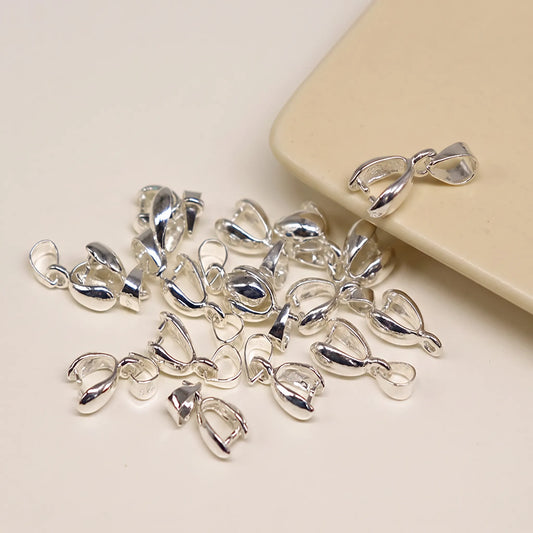
Stainless Steel Pendant Pinch Bail, 50-100pcs
Regular price From $10.96 USDRegular price$2.45 USDSale price From $10.96 USD -
Pendant Clips Pinch Bail, 50-100pcs
Regular price $13.51 USDSale price $13.51 USD -
7-8mm Gold Clips Connectors, 100pcs
Regular price From $13.56 USDRegular price$1.95 USDSale price From $13.56 USD -
4x8mm Colorful Mini Eye Pins, 200pcs
Regular price $13.76 USDSale price $13.76 USD -
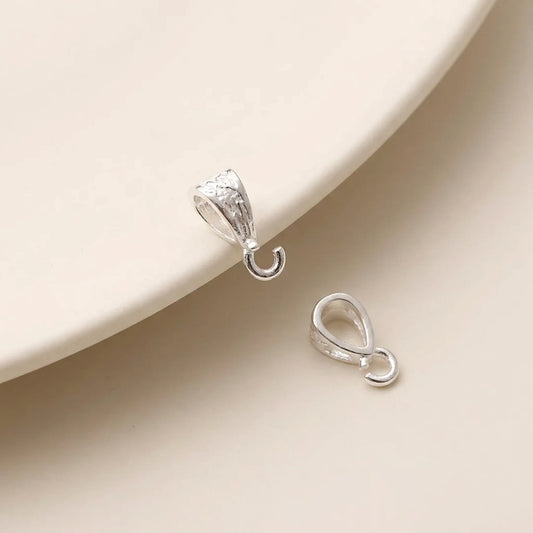
925 Sterling Silver Snap-On Pinch Bail, 5pcs
Regular price From $6.60 USDRegular price$8.25 USDSale price From $6.60 USDSale -
925 Sterling Silver Pinch Bail for Pendants – XL Ice Pick Bail 16mm, 1pcs
Regular price From $9.12 USDRegular price$11.40 USDSale price From $9.12 USDSale -
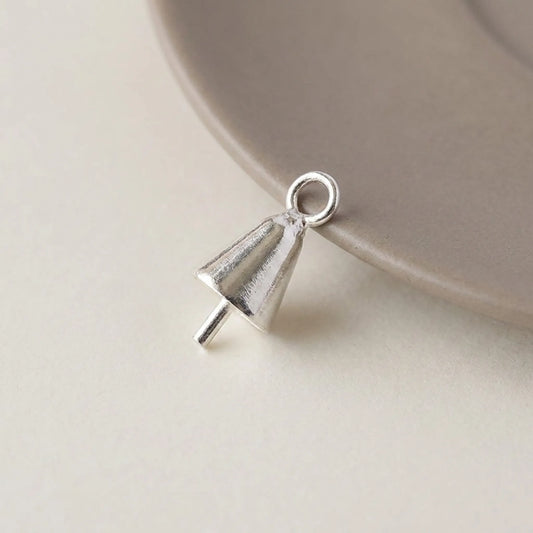
925 Sterling Silver Pearl Cup Pendant Bail with Pin, 5pcs
Regular price From $10.60 USDRegular price$13.25 USDSale price From $10.60 USDSale -
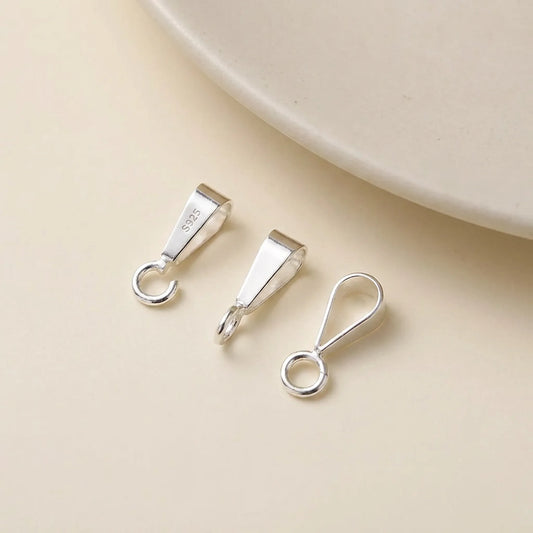
925 Sterling Silver Pendant Bails with Open Jump Ring – 3 Styles, 5pcs
Regular price From $25.26 USDRegular price$31.58 USDSale price From $25.26 USDSale -
925 Sterling Silver Slider Pendant Bail with Open Jump Ring, 1pcs
Regular price $4.34 USDRegular price$5.43 USDSale price $4.34 USDSale -
925 Sterling Silver Pinch Bail – 3 Sizes, 1pcs
Regular price From $4.98 USDRegular price$6.23 USDSale price From $4.98 USDSale -
1 Piece Solid 925 Sterling Silver Pendant Connector Slider Bail Clasp with Open Jump Ring DIY Jewelry Finding Components Making
Regular price From $4.16 USDRegular price$5.20 USDSale price From $4.16 USDSale -
1 PCS Solid 925 Sterling Silver Bail Connector with Open Jump Slider Pendant Clasp Diy Jewelry Making Accessories
Regular price From $6.04 USDRegular price$7.55 USDSale price From $6.04 USDSale -
1PCS 12mm Solid 925 Sterling Silver Buckle Pendant Connector DIY Jewelry Accessories Making for Necklace Components
Regular price $6.10 USDRegular price$7.63 USDSale price $6.10 USDSale -
22mm Solid Sterling Silver Bail Pendant Connector Pinch Bail for Round Beads Jewelry Necklace Pendant Making Components DIY
Regular price $13.20 USDRegular price$16.50 USDSale price $13.20 USDSale -
1PCS Solid 925 Sterling Silver Pendant Connector for Jade DIY Jewelry Making Buckle with Neddle Accessories
Regular price From $6.92 USDRegular price$8.65 USDSale price From $6.92 USDSale -
Solid 925 Sterling Silver Pinch Bail Connector Pendant Clasp for Jewelry Necklace DIY Accessories Components
Regular price From $8.50 USDRegular price$10.63 USDSale price From $8.50 USDSale -
Solid 925 sterling silver bail pendant clasp connector, pinch bail with cup peg for necklace & pendant jewelry
Regular price $16.48 USDRegular price$20.60 USDSale price $16.48 USDSale -
Solid 925 Sterling Silver Pendant Bail Eye Pin, diy jewelry making accessories
Regular price $11.60 USDRegular price$14.50 USDSale price $11.60 USDSale -
12mm solid 925 sterling silver bail pendant connector, pinch bail with ice-pick for necklace & pendant jewelry, 1 piece
Regular price $5.56 USDRegular price$6.95 USDSale price $5.56 USDSale -

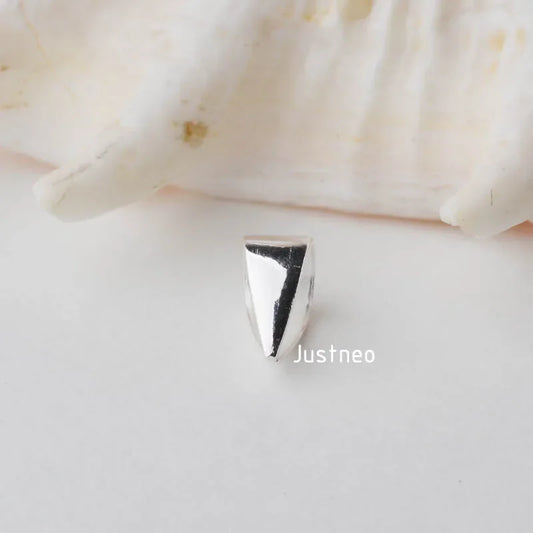
Solid 925 Sterling Silver Pendant Clasp Bail Connector for necklace & pendant silver jewelry,diy
Regular price From $3.76 USDRegular price$4.70 USDSale price From $3.76 USDSale -
solid 925 sterling silver bail pendant clasp connector, pinch bail with ice-pick for necklace & pendant silver jewelry, L
Regular price From $6.08 USDRegular price$7.60 USDSale price From $6.08 USDSale -
925 Silver Pendant Bail Connector with Pearl Cup Pin, Silver Pendant Bail with Cup Glue-on Pendant Connector for Jewelry Making
Regular price From $21.32 USDRegular price$26.65 USDSale price From $21.32 USDSale -
solid 925 sterling silver pendant clasp connector, rhodium plated pinch bail for necklace & pendant silver jewelry, diy
Regular price $11.18 USDRegular price$13.98 USDSale price $11.18 USDSale -
solid 925 sterling silver bail pendant clasp connector, pinch bail with ice-pick for necklace & pendant silver jewelry M
Regular price From $4.76 USDRegular price$5.95 USDSale price From $4.76 USDSale


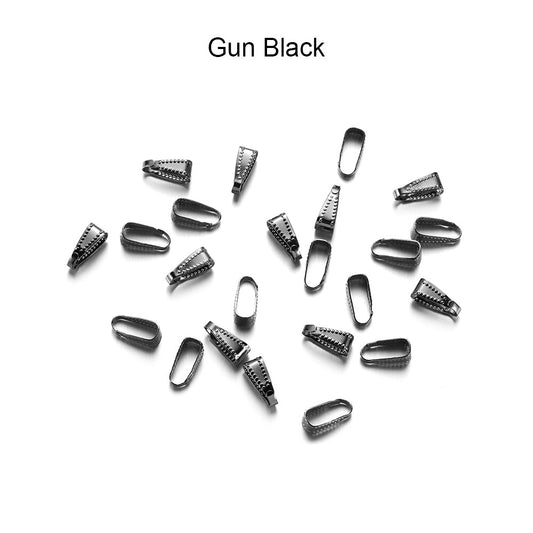


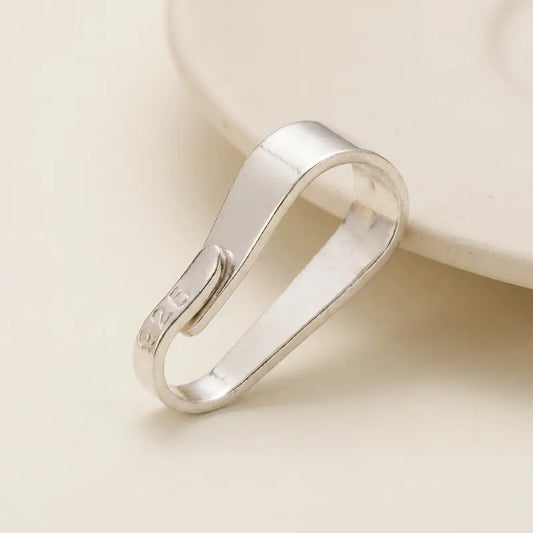

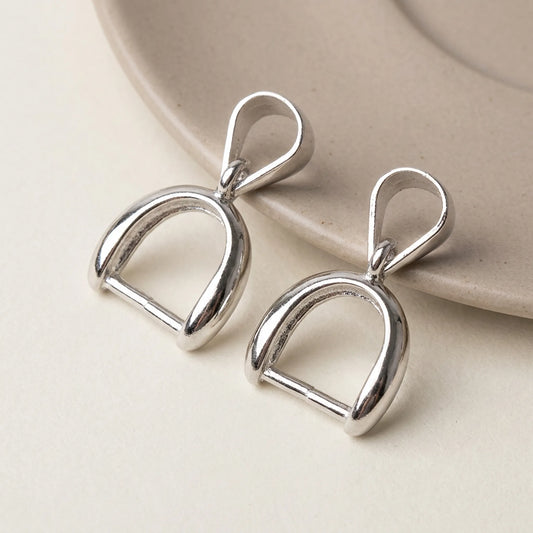





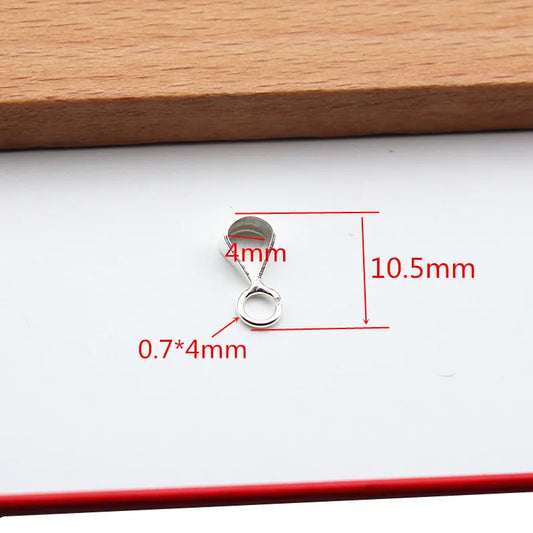

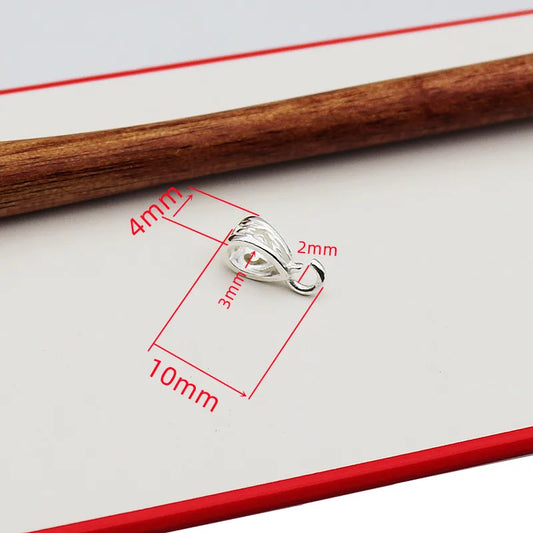

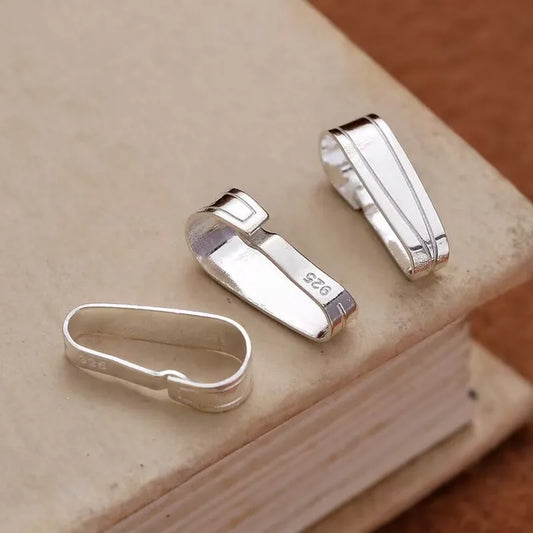

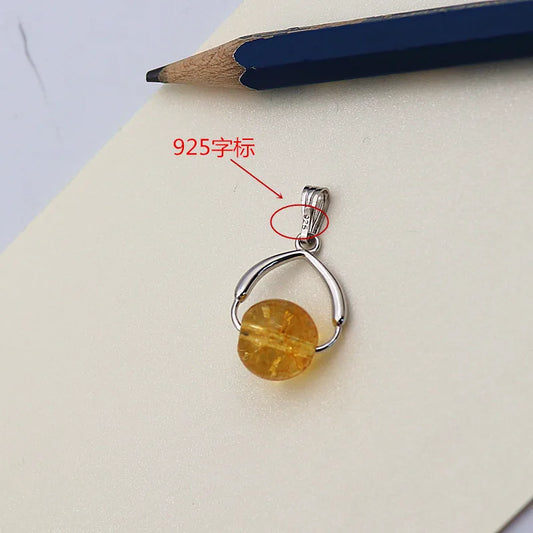

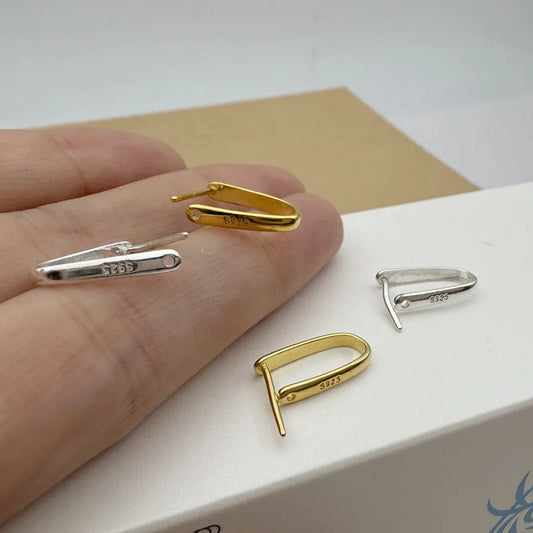

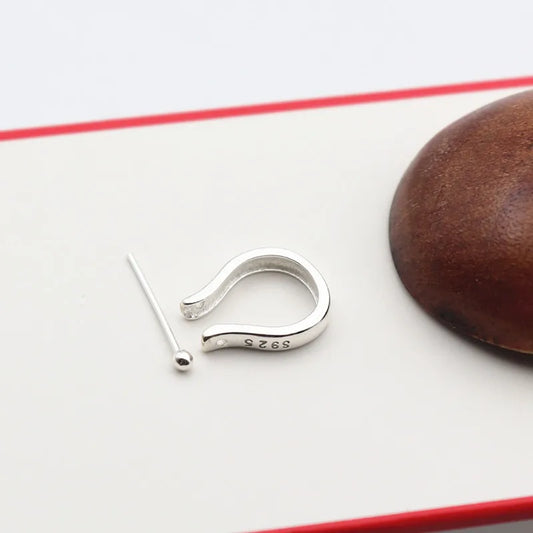

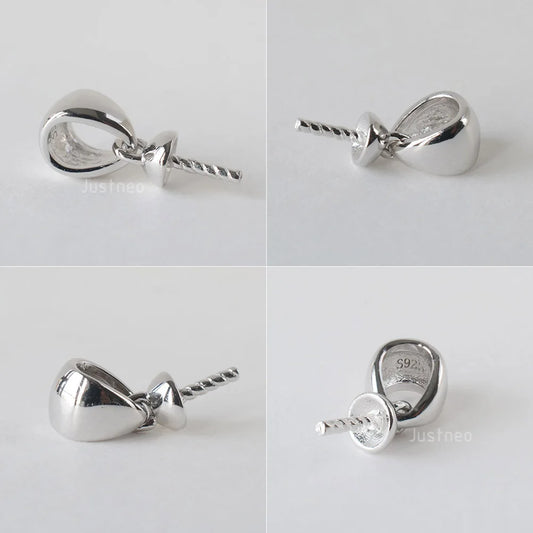

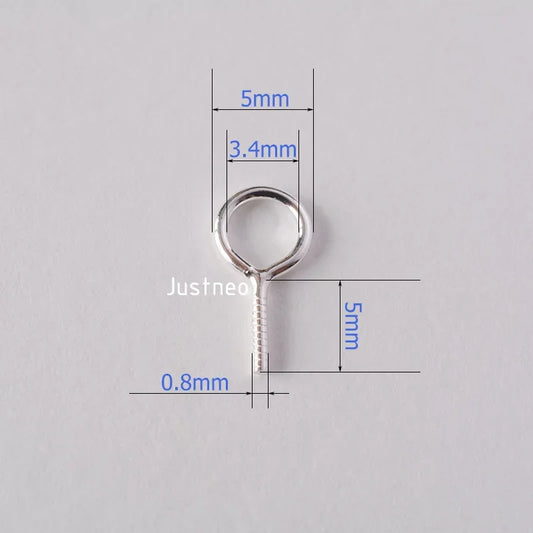





Collection: Jewelry Bails
What Are Jewelry Bails?
Jewelry bails are findings that create a suspension point between a pendant or other suitable decorative element and the chain, cord, or necklace material from which it hangs. Rather than serving as general-purpose connectors, bails have a more specific role: they attach a decorative element and allow it to hang as part of a pendant-style design. They belong to the broader category of jewelry findings, but their shapes, sizes, and attachment methods can differ considerably.
A bail has two areas that need to work with the same design. One side attaches to or engages with the pendant, charm, stone, or other suitable element. The upper portion provides an opening or loop for the necklace material. A bail can fit the pendant correctly while still having insufficient clearance for the intended chain or cord, so both sides need to be checked before selecting a size or style.
Jewelry bails may differ in overall size, attachment method, opening dimensions, material, finish, and decorative detail. These variations mean that bails for jewelry making are not universally interchangeable. A style that works with one pendant may not suit another, even when the decorative elements appear similar in size.
Types of Jewelry Bails
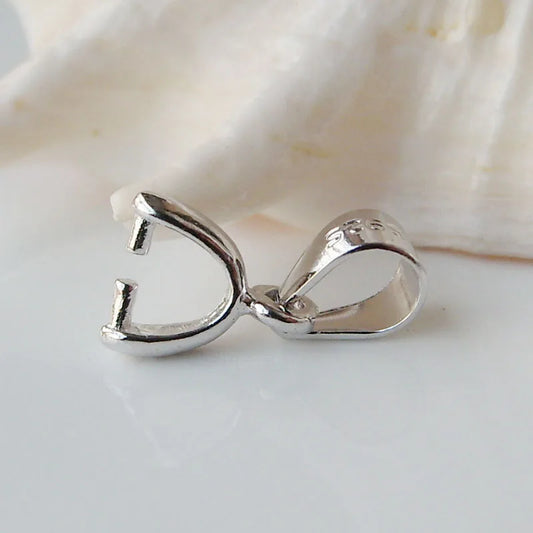
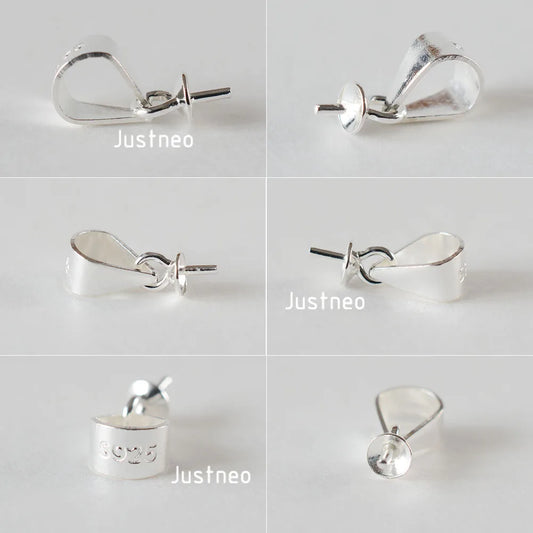
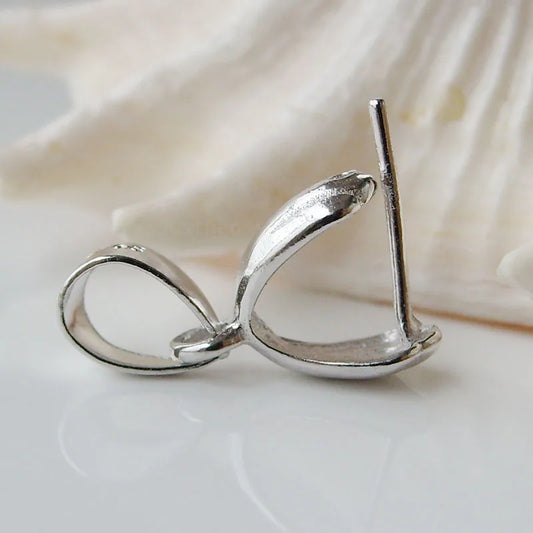
Pendant bails are available in several general designs, each creating the pendant-side attachment in a different way. Depending on the available products, these may include pinch bails, snap-on bails, styles with loops, and other attachment arrangements. The differences are functional as well as visual because the part that engages with the pendant can vary in shape, spacing, and opening size.
The upper section can vary as well. Some bails have a compact opening, while others provide more internal clearance or use a differently shaped loop. This affects what can pass through the finding and how prominently the bail appears above the pendant. Simple profiles, decorative surfaces, and different finishes can also change the overall appearance of the finished piece.
Material is another product-specific characteristic rather than a feature shared by the entire collection. Shoppers looking specifically for silver components can compare sterling silver bails, while the broader Jewelry Bails collection may include other materials and finishes where available. Check the material information for each item rather than judging composition from appearance alone.
Choosing Bails for Pendants and Necklaces
A useful way to compare bails is to consider the complete connection from pendant to bail to necklace material. On the pendant side, check the attachment area and the dimensions required by the decorative element. A hole, loop, edge, or other attachment feature needs to work with the selected bail; similar-looking pieces are not necessarily compatible.
On the opposite side, the upper opening needs enough clearance for the material from which the pendant will hang. When using chain for jewelry making, chain thickness is not always the only measurement that matters. The chain itself may fit through the opening while a larger end link, jump ring, clasp, or other attached end component cannot. Check the actual part that needs to pass through the bail.
The same principle applies to cords and other suitable necklace materials. Opening width, internal clearance, and the shape of the upper section can affect whether the material passes through properly. A bail that accommodates a fine chain cannot automatically be assumed to fit a thicker cord, just as a style intended for one type of pendant attachment may not fit every stone, charm, or decorative element.
Overall scale also affects the finished appearance. A small, understated bail may visually recede and keep attention on the pendant, while a larger or more decorative style can become a noticeable part of the design. The best visual balance depends on the size of the pendant, the bail, and the surrounding necklace elements rather than on a universal size ratio.
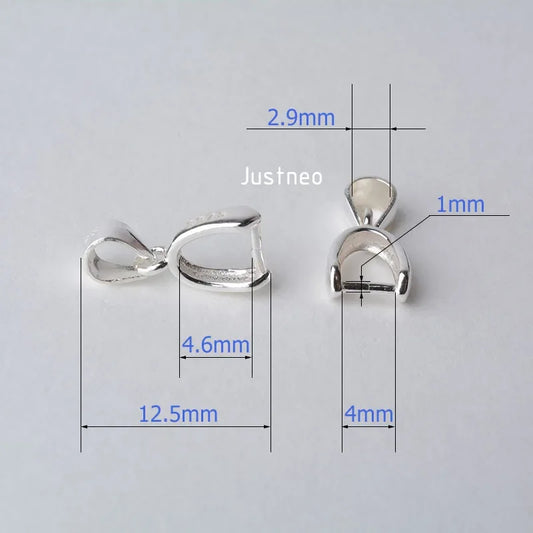
Because these small findings are often shown in enlarged product photographs, their apparent size on screen can be misleading. Check the stated measurements for the pendant-side attachment, upper opening, internal clearance, and overall size rather than estimating fit from the photograph alone.
Combining Jewelry Bails with Other Jewelry Findings
A bail may work alongside jump rings, chain, charms, pendants, and other suitable findings, but each element has its own role within the design. The bail provides the suspension arrangement for the pendant and should not automatically be treated as a jump ring, clasp, generic connector, bead cap, or pendant setting simply because these components may appear in the same project.
When the bail remains visible, its finish and proportions can be coordinated with surrounding metal elements. In a design using silver components, for example, a sterling silver bail may be paired with other sterling silver findings. For more information about the roles of different silver components, see the Guide to Sterling Silver Findings.
When comparing jewelry bails, start with the attachment method and pendant-side fit, then check the upper opening against the chain, cord, and any end component that needs to pass through it. Overall measurements, proportions, material, and finish can then help distinguish between bails that meet the practical requirements but create different appearances in the finished necklace.
