
-
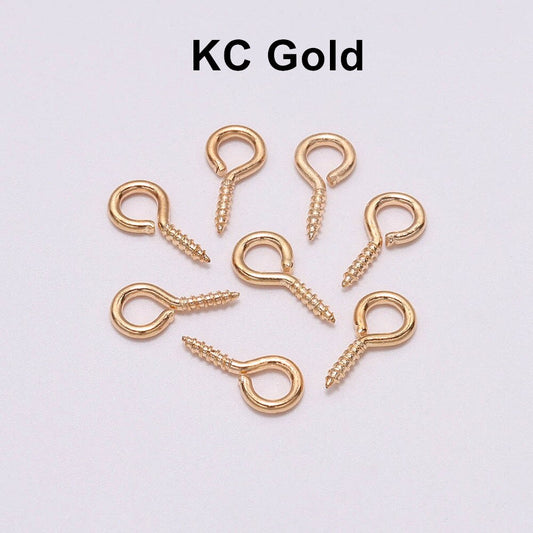
Mini Screw Eye Pins, 350pcs
Regular price $15.68 USDSale price $15.68 USD -
10-50mm Head Pins Connectors, 200pcs
Regular price From $13.07 USDRegular price$3.38 USDSale price From $13.07 USD -
50mm Gold Flower Head Pins, 20pcs
Regular price $15.34 USDRegular price$5.87 USDSale price $15.34 USD -
20-70mm Flat Head Pins, 100-200pcs
Regular price From $13.04 USDRegular price$3.34 USDSale price From $13.04 USD -
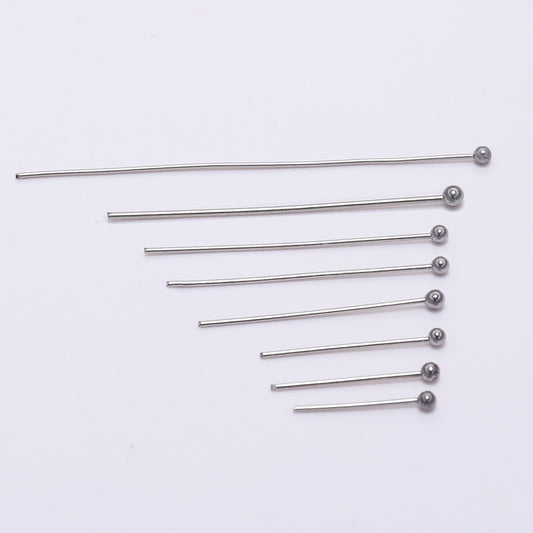
15-50mm Bright Tone Steel Ball Head Pins, 100pcs
Regular price $14.91 USDSale price $14.91 USD -
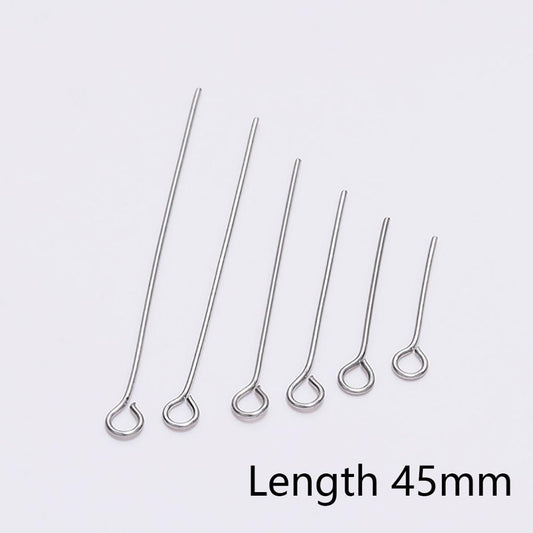
20-50mm Stainless Steel Eye Pins, 100pcs
Regular price $13.51 USDSale price $13.51 USD -
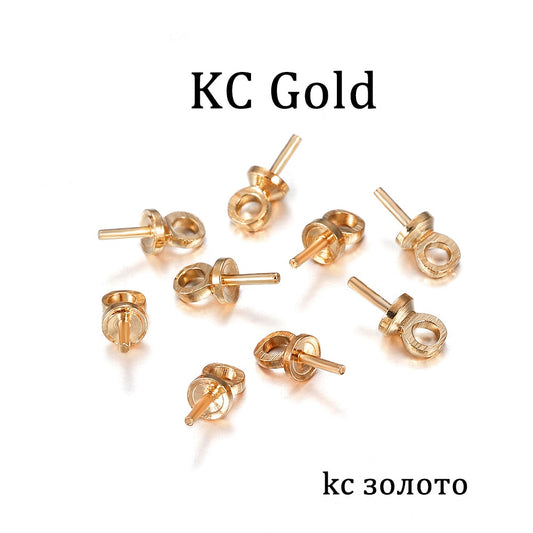
Brass Half Hole Charms Eye Pins Beads End Caps, 50-100pcs
Regular price From $14.44 USDRegular price$4.88 USDSale price From $14.44 USD -
Anti-Reflective Brooch Pin Clasps, 10pcs
Regular price $13.70 USDRegular price$4.07 USDSale price $13.70 USD









Collection: Jewelry Pins
What Are Jewelry Pins?
Jewelry pins are slender components used with beads and other suitable elements to create drops, dangles, links, and connected decorative sections in handmade jewelry. The term covers several types of pin findings rather than one standardized component. Different constructions serve different purposes, so choosing a pin depends on its ends, dimensions, and the type of connection required in the design.
Within the wider range of jewelry findings, pins provide a foundation for positioning beads, charms, and other decorative elements. They may become part of earrings, pendants, bead drops, or linked arrangements, with the exact function determined by the pin construction. Head pins and eye pins are two common types, while other jewelry-making pin styles may also be available.
Individual pins can vary in overall length, wire thickness, material, finish, and the design of the head, loop, or other terminating element. These differences affect both fit and function. Two jewelry pins may look similar but work differently once beads or connecting components are added, making product measurements an important part of the selection process.
Head Pins vs Eye Pins
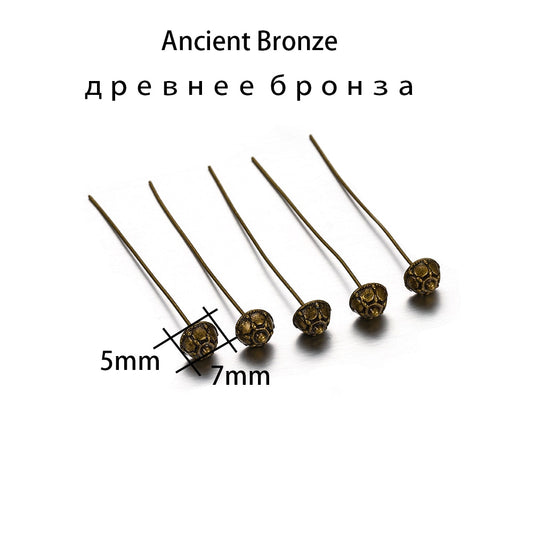
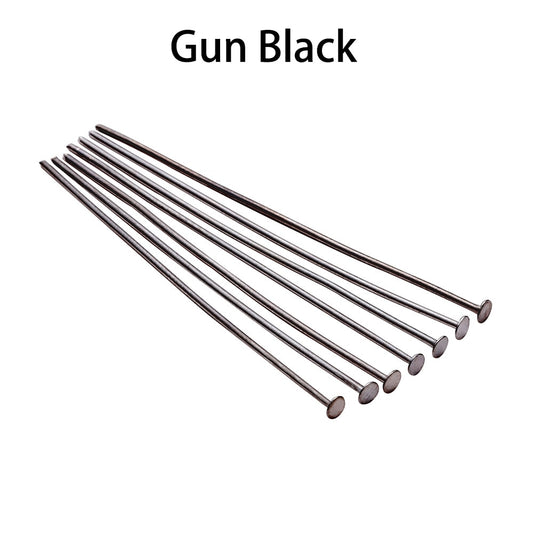
Head pins and eye pins can look similar along most of their length, but the construction at one end gives each type a different function. A head pin has a head, stopper, or other terminating element at one end. This feature helps retain a suitable bead or decorative component placed on the pin by preventing it from sliding off that end.
The head itself may vary in size, shape, and decorative appearance. Its dimensions are important in relation to the bead hole: if the terminating element is smaller than the opening it needs to support, it may not retain the component as intended. For this reason, both the size of the head and the dimensions of the bead hole are useful specifications to compare when choosing head pins for jewelry making.
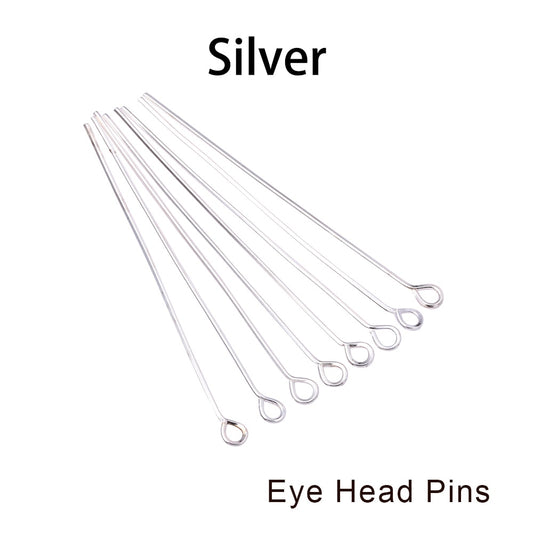
An eye pin is constructed differently. Instead of a terminating head, it has a pre-formed eye or loop at one end. This loop provides an attachment point for another suitable jewelry component, making eye pins useful for linked arrangements and decorative sections where an existing connection point is needed.
Head pins and eye pins therefore serve different purposes rather than acting as interchangeable versions of the same finding. Head pins are commonly used for bead drops and dangles where components need to be retained at one end, while eye pins provide a ready-made point for connecting another element. Either type may be used alongside earring findings when the construction of an earring calls for a pin component.
Choosing Jewelry Pins for Beads and Jewelry Making
Pin length and wire thickness are two of the most useful measurements to check when comparing pins for jewelry making. The wire diameter needs to pass through the hole of the bead or other component placed on it. This is particularly important when working with beads for jewelry making, since hole dimensions can vary even between beads with similar exterior sizes.
Length determines how much space is available for beads or decorative components and how much of the pin remains for the intended finishing or connection. Enlarged product photographs can make small findings appear longer or thicker than they actually are, so the stated measurements provide a more reliable indication of usable size.
For head pins, compare the bead opening with the size of the head or stopper to make sure the component can be retained as intended. With eye pins, check the dimensions and construction of the existing loop in relation to the jump ring, connector, charm, or other element that needs to attach to it. These details can be just as important as the overall length of the pin.
Material and finish also matter when the pin remains visible in the completed design. Jewelry-making pins may be available in different metals and finishes depending on the product. Shoppers specifically looking for silver components can also browse sterling silver findings rather than assuming that every pin in the broader collection is made from sterling silver.
Combining Jewelry Pins with Other Jewelry Components
Jewelry pins can work with beads, charms, pendants, jump rings, connectors, and other findings depending on the structure of the design. A head pin may support a decorative bead drop, while an eye pin can provide a connection within a linked section. The same project may use both types for different purposes.
An eye pin is not the same as a jump ring or connector simply because it includes a loop, just as a pin finding is different from jewelry wire. Each component has its own construction and role within a finished piece. For a broader explanation of how these and other findings differ, see A Beginner's Guide to Jewelry Findings.
When comparing jewelry pins, start with the pin type and then check wire thickness, usable length, bead-hole compatibility, and the dimensions of the head or eye where applicable. Material, finish, and overall proportions can then be matched with the surrounding components. Checking these specifications helps narrow the selection to pins that suit both the construction and appearance of the intended jewelry design.
